Menopause And Urinary System Incontinence: Causes And Treatments

Threat Aspects For Early Perimenopause
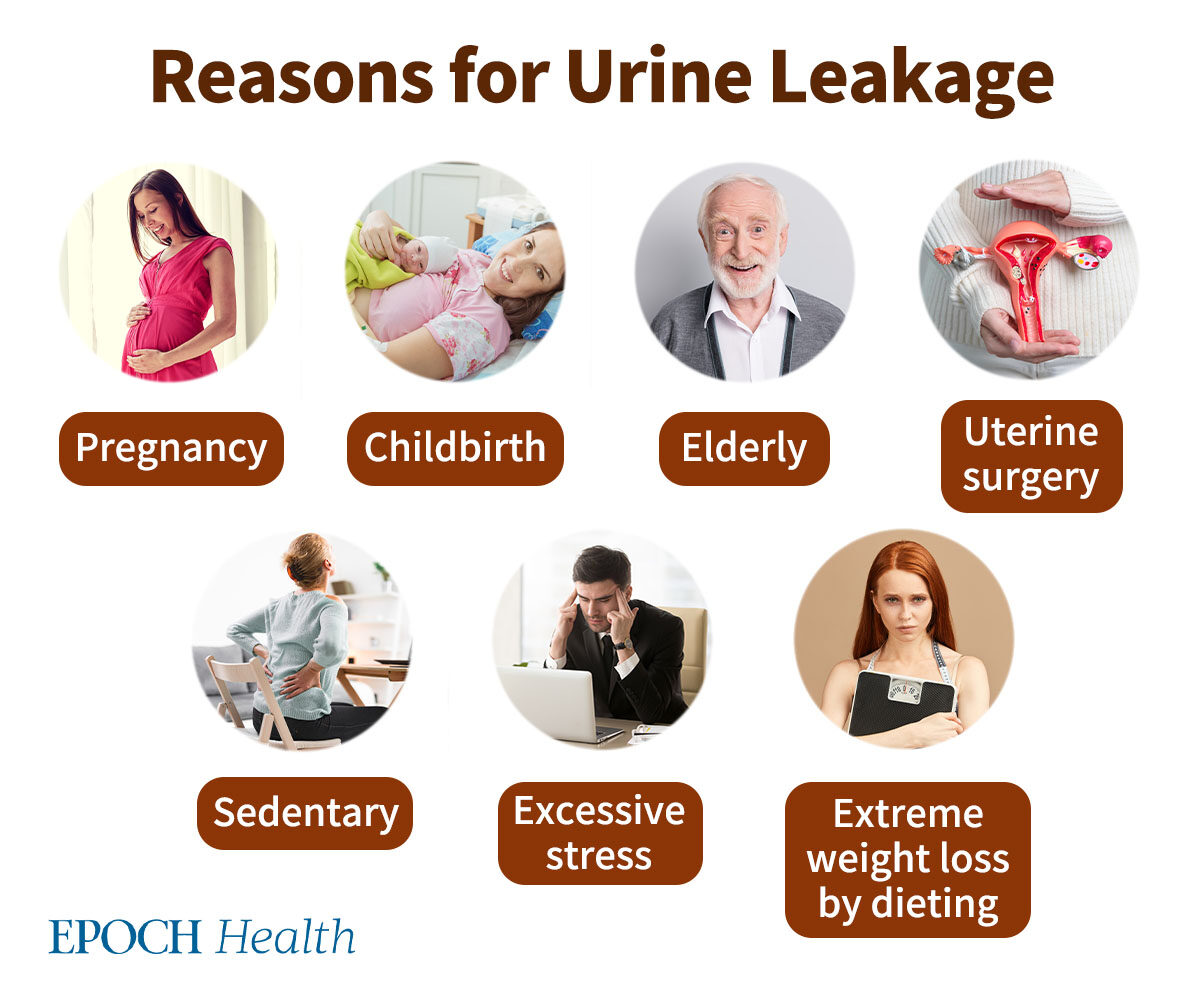
- Actually, 40-57% of postmenopasual women have symptoms of vaginal degeneration, and on the urinary incontinence side, greater than 50% of older females experience it.As a matter of fact, study reveals that both the frequency and intensity of leakage commonly raise in later postmenopausal years.Among these signs and symptoms, urinary system incontinence can be specifically frustrating, leaving ladies to wonder if menopause triggers urinary incontinence.Those suffering from extreme urinary incontinence might need medications, medical devices, or surgical procedure.When you remain in your perimenopausal phase, estrogen degrees reduce.
Are Menopause And Urinary System Incontinence Attached?
Upon essential appraisal of the titles and abstracts of the staying 442 studies, 384 write-ups were regarded ineligible and declined. Out of the 58 reports demanded for further evaluation, 5 were impossible. Twenty manuscripts were omitted due to invalid or unstable study results; 2 were letters to the editor, and 4 were abstracts without full-text accessibility. Sixteen of the 53 publications that passed the full-text screening stage were invalidated for using the incorrect group types. The certifying needs are met by the 11 research study magazines that comprise this systematic evaluation.
Adjustments in hormonal agent degrees can make your bladder extra delicate and susceptible to irritation, leading to symptoms like seriousness and constant urination. Menopause generally happens in women between the ages of 45 and 55, with the ordinary age around 51. It's defined as the natural cessation of menstrual cycle due to a decline in the manufacturing of hormones like estrogen and progesterone by the ovaries. An extensive search of 911 scholarly publications produced 469 duplicate records, which were consequently excluded.When Is It Time To Look For Medical Help To Assist With Perception?
If you are experiencing urinary incontinence signs and symptoms throughout menopause, do not wait to discuss your worry about us. We know it's not constantly simple to speak about urine leakages, however there are therapy options offered to assist More help you regain control and take pleasure in a far better quality of life during this transformative stage. Additionally, a lot of studies fall short to represent the long-lasting impact of numerous therapies on UI such as pelvic flooring workouts, drugs, or surgical treatments. The hormonal impact on UI continues to be controversial, and much more controlled researches are needed to totally comprehend just how hormone replacement therapies, or absence thereof, affect UI development in postmenopausal women. Your pelvic floor muscular tissues support your womb, bladder, tiny intestine, and anus. The specialist might be a urologist, who treats urinary system issues in both males and females, or a urogynecologist, who has unique training in the women urinary system. You could additionally require to see a pelvic floor expert, a sort of physical therapist, who will work with you to reinforce your pelvic floor muscular tissues that sustain the urinary system. Although ladies can experience urinary incontinence (UI) Find more information throughout their life, the frequency of UI tends to happen more often when you grow older. This loss of bladder control stems from hormone changes that impact muscular tissue strength in your pelvic location. Ladies who are expecting, giving birth, or going through menopause are all most likely to have urinary incontinence.